Who Owns Your Health Data? A Complete Guide to Digital Health Privacy
Understand your rights to health data ownership and learn how to maintain control over your personal medical information in the digital age

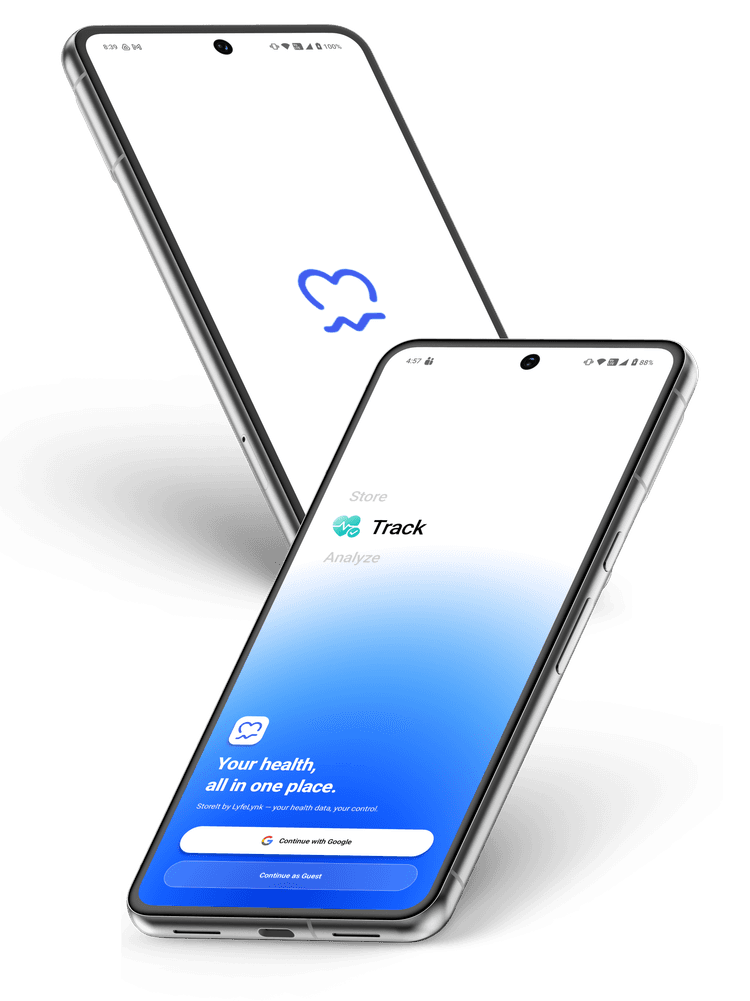
Your health data is among the most sensitive and valuable information you possess. Yet many people don't realize who actually owns and controls their medical information when using digital health platforms. LyfeLynk puts data ownership back in your hands with transparent, user-controlled health data management.
The Current State of Health Data Ownership
The Hidden Reality
Most health apps and platforms operate under terms that give them extensive rights to your data:
- Data mining for advertising - Your health information sold to third parties
- Research without consent - Medical data used in studies without explicit permission
- Vendor lock-in - Difficulty exporting your own health information
- Unclear deletion policies - Data retained even after account closure
Why This Matters
Your health data reveals intimate details about your life:
- Medical conditions and treatments
- Lifestyle patterns and behaviors
- Genetic predispositions and family history
- Mental health status and medications
- Financial information through insurance data
Understanding Data Ownership Models
Traditional Healthcare Model
In conventional healthcare:
- Hospitals own the records - Physical and digital files belong to the institution
- Patients have access rights - You can request copies but don't own the data
- Limited portability - Moving records between providers is complex
- Fragmented storage - Information scattered across multiple systems
Big Tech Health Platforms
Major technology companies offer health services with concerning implications:
- Data aggregation - Combining health data with other personal information
- Algorithmic profiling - Creating detailed health and lifestyle profiles
- Commercial exploitation - Using health data for advertising and product development
- Government access - Potential sharing with law enforcement and agencies
LyfeLynk's User-Owned Model
True data ownership means:
- You control access - Decide who sees your information and when
- Easy data export - Download your complete health record anytime
- Transparent policies - Clear, understandable terms about data use
- Deletion rights - Permanently remove your data when desired
Legal Framework for Health Data Rights
HIPAA Protections
The Health Insurance Portability and Accountability Act provides:
- Access rights - View and obtain copies of your health records
- Amendment rights - Request corrections to inaccurate information
- Accounting rights - Know who has accessed your health information
- Restriction rights - Limit how your health information is used
GDPR and Global Privacy Laws
International regulations expand data rights:
- Right to portability - Move your data between services
- Right to erasure - Have your data deleted upon request
- Right to rectification - Correct inaccurate personal data
- Right to object - Opt out of certain data processing activities
State-Level Protections
Many states provide additional health data protections:
- California Consumer Privacy Act (CCPA) - Enhanced privacy rights for California residents
- Illinois Genetic Information Privacy Act - Specific protections for genetic data
- State breach notification laws - Requirements for reporting data breaches
Red Flags in Health App Privacy Policies
Concerning Language to Watch For
- "We may share your information with partners" - Vague data sharing permissions
- "Data used for research purposes" - Unclear consent for medical studies
- "Information retained for business purposes" - Indefinite data storage
- "Third-party analytics" - Your data shared with unknown companies
Questions to Ask Before Using Any Health App
- Who owns my data? - Clear ownership statements
- How is my data used? - Specific use cases and limitations
- Who has access? - Complete list of data recipients
- How long is data stored? - Retention periods and deletion policies
- Can I export my data? - Portability and format options
- How is data secured? - Encryption and security measures
LyfeLynk's Data Ownership Principles
Complete User Control
- Your data belongs to you - No ambiguous ownership claims
- Granular permissions - Control exactly what data is shared and with whom
- Easy export options - Download your complete health record in standard formats
- Immediate deletion - Remove your data permanently when requested
Transparent Operations
- Open source components - Key privacy features available for public review
- Regular audits - Third-party security and privacy assessments
- Clear documentation - Understandable privacy policies and terms of service
- User education - Resources to help you understand your data rights
Privacy by Design
- Minimal data collection - Only gather information necessary for app functionality
- Local processing - AI analysis performed on your device when possible
- Encrypted storage - All data protected with industry-standard encryption
- Zero-knowledge architecture - LyfeLynk cannot access your unencrypted data
Practical Steps to Protect Your Health Data
Before Using Any Health App
- Read the privacy policy - Understand how your data will be used
- Check data export options - Ensure you can retrieve your information
- Review sharing settings - Limit data sharing to essential functions only
- Understand deletion policies - Know how to remove your data permanently
Regular Data Hygiene
- Audit app permissions - Review and revoke unnecessary access regularly
- Export your data - Keep local backups of important health information
- Monitor data breaches - Stay informed about security incidents affecting your apps
- Update privacy settings - Adjust permissions as your needs change
When Switching Health Apps
- Export all data first - Ensure you have complete records before switching
- Verify data deletion - Confirm old apps have removed your information
- Check for data retention - Some apps keep data even after account closure
- Update connected services - Ensure third-party integrations are properly disconnected
The Future of Health Data Ownership
Emerging Trends
- Blockchain health records - Immutable, user-controlled health data storage
- Decentralized identity - Self-sovereign identity for health information
- AI privacy preservation - Advanced techniques for private health AI
- Interoperability standards - Seamless data portability between platforms
Regulatory Evolution
- Stricter privacy laws - Enhanced protections for health data
- Right to algorithmic transparency - Understanding how AI makes health recommendations
- Data portability requirements - Mandated easy export options
- Consent granularity - More specific permissions for different data uses
Making Informed Decisions About Your Health Data
Evaluating Health Apps
Consider these factors when choosing health platforms:
- Data ownership model - Who controls your information
- Privacy track record - History of data breaches or misuse
- Business model - How the company makes money from your data
- User control features - Options for managing your data and privacy
Balancing Convenience and Privacy
- Assess the trade-offs - What you gain versus what you give up
- Start with minimal sharing - Begin with basic features and expand gradually
- Regular privacy reviews - Periodically reassess your comfort level
- Stay informed - Keep up with changes in privacy policies and practices
Take Control of Your Health Data Today
Your health information is too important to leave in the hands of companies that don't prioritize your privacy and control. LyfeLynk empowers you with true data ownership, transparent practices, and the tools you need to manage your health information securely.
Ready to take control of your health data? Download LyfeLynk and experience health tracking with privacy and ownership built in from day one.
Your data, your health, your control - exactly as it should be.